Falls are common among Americans age 65 and older, in fact they are the leading cause of injury in older adults. But falls can be prevented and they are not a natural part of the aging process.
Older adults can suffer significant physical injuries if they fall, including bruising and cuts to broken bones and even head trauma.
 In addition to the physical injury that can result from falls, just as importantly, a fall may cause emotional injuries that linger long after the incident. Fear about falling again may leave people reluctant to resume their normal activities. Plus, if they do cut back on walking for an extended period, they may lose coordination and muscle tone, and consequently, be at increased risk of falling in the future. At Green Homes, we understand the stress that some seniors feel when getting back on their feet. Fortunately, there are actions that families can take to make it easier for loved ones to regain their mobility.
5 Proven Confidence-Building Strategies
Getting physically well is the first step. Depending on the extent of the physical injuries, a skilled nursing community can help with rehabilitation such as physical therapy, occupational therapy and more. Once their health care professional has given the green-light to resume activity, below are five things families can do to help their loved one regain their confidence.
Powerful Reassurance in a Skilled Nursing Environment
 Many elders who are living at home can get right back to their normal routine after a fall. As soon as their injuries have healed and the cause of the fall has been remedied, they are ready to be mobile again. For others, the incident may be a sign that it would be good to consider transitioning to a skilled nursing environment like Green House Homes.
Our caregivers can render aid at a moment’s notice to ensure that any physical injury is addressed promptly and that consequently any emotional trauma is minimized. Contact us to learn more about our unique, real-home environment.
Many people within skilled nursing facility report feeling “down” or having the “winter blues” during the winter months when the days get shorter and they feel better in the spring and summer when longer daylight hours return. While it may be just a passing thought for some, it is a real condition that can disrupt daily life for others. The condition is called seasonal affective disorder (SAD) and it is a form of depression that causes symptoms such as lack of energy and feelings of sadness or melancholy.
It tends to be triggered by the onset of the fall and winter months. Experts theorize that the change of seasons disrupts a person’s daily rhythms called circadian rhythms. Others believe that changes in the production of hormones like serotonin and melatonin play a role. Either way, we know that seasonal affective disorder can impact residents at our Northern Colorado skilled nursing community.
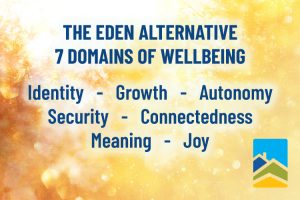 Fortunately, our skilled nursing community is guided by the Eden Alternative philosophy and approach to elder care which can play a significant role in helping older adults combat the effects of Seasonal Affective Disorder (SAD). SAD is often exacerbated by feelings of isolation and limited engagement, particularly during the colder months. The Eden Alternative focuses on creating vibrant and socially engaging environments. By promoting a sense of community and encouraging meaningful connections, older adults can find companionship and emotional support, countering the loneliness that often accompanies SAD.
Additionally, incorporating nature into daily activities, a key aspect of the Eden Alternative, aligns with strategies for mitigating SAD symptoms. Exposure to natural light, outdoor spaces, and the nurturing of plants can positively impact mood and well-being, providing a holistic approach to addressing the challenges posed by Seasonal Affective Disorder in older adults.
It is important to keep in mind that SAD is a form of depression. As such, we encourage residents to discuss their symptoms with their health care provider. Below are some steps older adults can take, in consultation with their physician, to combat SAD:



We encourage residents to be proactive about all aspects of their physical, mental and emotional health. This includes SAD. Too often people think the only option for dealing with seasonal depression is to “grin and bear it,” but there are many treatment options that can make the fall and winter months much more enjoyable.
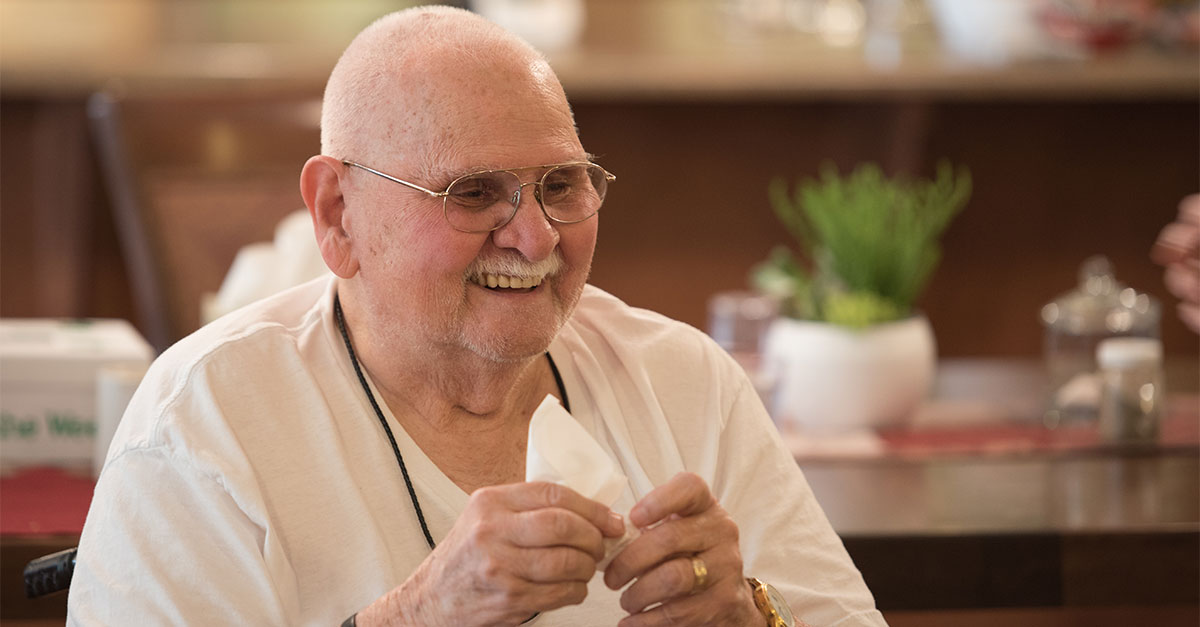
Are you assisting an elder in finding skilled nursing? If so, there are certain things you should be sure to look for or ask about on a tour. The presence or absence of these six key features can help you make good decisions that will provide care and support for your loved one.
In the course of doing research online, visiting a skilled nursing community in person and talking with staff members, here are some key considerations to keep in mind:

Finding a skilled nursing facility that meets all of an elder’s needs requires doing your “homework.” However, it is very much worth the effort. Our community at Greenhouse Homes is geared toward seniors who want to live in a real-home setting where they feel engaged, supported and appreciated. We’re proud of the positive environment we’ve created and welcome questions from elders and their families.

Staying socially active provides many mental, emotional and physical benefits for older adults. One great way to foster this is by providing seniors with small daily or weekly tasks that help the community run smoothly. Whether it’s helping with cooking and meals or keeping the plants watered, simple senior tasks are good for older adults.
 As a leading provider of senior living homes, it’s our experience that people who stay active tend to be happier and healthier. And there is plenty of research to back up this observation. Whether that is participating in a book club, gardening with friends or enjoying a day or night out on the town. We’ve also found that adding a few small tasks to the regular activities can deliver an additional boost to their well-being.
Many older adults are accustomed to taking care of their homes and completing daily tasks. Continuing this activity when they move into a senior living community can provide a sense of normalcy, integrate them into the social engagement of the community and add physical activity and purpose to their days.
While social interaction of any kind is good for older adults, having a few tasks on their daily or weekly to-do list is especially helpful. Senior tasks might include assisting with food preparation, setting the table for meals or other simple assignments around the community. These activities benefit residents in senior living homes in many ways, including that they provide:
A regular physical and mental workout. Committing to a task produces a positive feeling of obligation that may keep an older adult more active than optional social events. Knowing others are counting on you adds a little incentive to get the job done.
A sense of purpose. Having a to-do list provides a reason to get involved that is greater than themselves which is good for older adults both mentally and physically. We all like to know that the work we perform is helpful to others.
A feeling of accomplishment. Completing even a small task produces an enjoyable sense of pride in the work they have done. The good feeling from accomplishing tasks has the opportunity to lift spirits and bring energy to the day.
Inspiration to other residents. Residents who see the satisfaction their peers get from lending a helping hand are often motivated to get involved themselves.
A source of stories. The tasks a senior takes on can be a great source for interesting and funny stories to share with other residents, staff and family members.
Comfort to family and friends. Knowing that a loved one is an active participant in their community shows that they are engaged and involved which makes everyone feel more at ease knowing they are in a real community setting
 Young people or seniors, we all want our lives to have meaning. At Green House Homes, helping residents maintain their sense of purpose and contribution to the greater good is one of our primary goals. Learning about our residents with personal interactions helps us understand what activities might be appropriate and enjoyable for each person. With this knowledge, we can involve our residents in the many small tasks involved in keeping our community running smoothly. The result is a positive sense of participation that puts a smile on their face and on the faces of friends and loved ones who know how important this sense of connection is. It is a unique approach to senior care, and one that gets rave reviews from residents, staff and families alike.

For many families, the time comes when our loved one needs additional support and the move to skilled nursing is the right decision. Even so, and even our loved one is looking forward to the move, the transition can be challenging for everyone, including caregivers.
Knowing how the move is likely to play out and having a plan for dealing with strong emotions that may arise can be beneficial. By acknowledging your emotions, establishing a visit schedule, practicing self-care, and communicating openly, you can navigate this journey with more confidence and grace. Trust in the professionals and remember that your decision is ultimately rooted in providing the best possible care and quality of life for your loved one.
 Choosing a skilled nursing community that is a good fit for you and your loved one can provide solace and support as well. Here at Green House Homes at Mirasol, our model offers a unique care environment that includes person-directed living practices that extends to seniors, family members, caregivers, and provider organizations. The Green House Homes Model was created by Dr. William Thomas, founder of The Eden Alternative®, and is based on three fundamental core values: Meaningful Life, Empowered Staff and Real Home. Our mission is to offer skilled-nursing care that looks and feels like a real home.
Will you be helping a loved one select the right skilled nursing community? Will you then help them prepare for the move and ultimately get them settled in their new community? If so, as their caregiver, you can expect a wide range of feelings as you move through the process. Here are some tips to cope with the transition of your loved one to skilled nursing:
No matter how wonderful the new community is, it’s very common for a caregiver to feel some regret and/or remorse about moving them out of their house (or yours) and into a new living arrangement. In the same way that you are reassuring them that this is the right long-term strategy, you should keep reminding yourself of that fact as well. It’s entirely normal to experience a range of emotions from relief to regret, guilt to anxiety. Give yourself permission to feel all the emotions without judgment.
Work with the staff to establish a visitation routine that suits both you and your loved one. Knowing when and how often you’ll be able to see them can provide a sense of continuity and comfort for both you and your loved one. Visiting often can also alleviate any concern you may have about their wellbeing. It’s normal for you to have questions in your mind, especially early in the transition. Is your loved one being cared for properly? Are staff members in their care community attending to their needs? Is the property safe and secure? Will you be contacted promptly if any issue arises? Because you have chosen a top-quality community, like Green House House Homes at Mirasol, the answer to all these questions is surely, “Yes!”
 While you are intentionally accepting the assistance of the skilled nursing setting, it may still feel uncomfortable to no longer have the same level of input into your loved one’s daily activities. Focusing on the fact that they are in good hands will help. Skilled nursing communities like Green House Homes are designed to provide compassionate, person-centered care with the skill and expertise needed to take care of your loved one’s physical and emotional needs.
As you start to think about what you’ll do with the additional time you’ll have available to pursue your own interests and activities, you may feel a strange mix of excitement and guilt. Keep in mind that your loved one surely appreciates all you’ve done for them to date and will want you to pursue your passions wholeheartedly. Self care is critical throughout this process. Caregiver burnout is a real concern, so make self-care a priority. Take breaks, engage in activities you enjoy, and seek emotional support when needed. A well-supported caregiver is better equipped to provide the best care.
Our team at Green House Homes at Mirasol understands what you’re going through in moving your loved one into a skilled nursing community. It’s a very significant life milestone for both of you, and we’re eager to assist with the transition every step of the way. Plus, once your loved one is settled, we ensure that both you and our new resident are comfortable with their environment and confident they are getting attentive and compassionate care.